
More than two weeks later …
South Africa still resonates

Unless I develop Alzheimer’s or another dementia condition, the South Africa trip will be a lifelong memory. At age 74, I’m glad I can collect these memories.
My mother died when she was not quite 60. My father was ill for most of his 70s, and died at 80. Mother didn’t travel internationally, but did make it to Hawaii – a dream destination for her. Dad’s work as an inflight air refueling technician with the Ohio Air National Guard took him to several countries in Europe. My siblings and I were young children when he flew to other countries; we were more impressed with the presents he brought back than with the actual fact that he went to Germany! Spain! England! Portugal!
What lingers from my trip more than two weeks later is the passion the people I met in Cape Town had for politics. Since the current president of my country took office, I have avoided political conversations, political news, and especially political opinions, for my own sanity and peace of mind.
That attitude feels arrogant to me now.
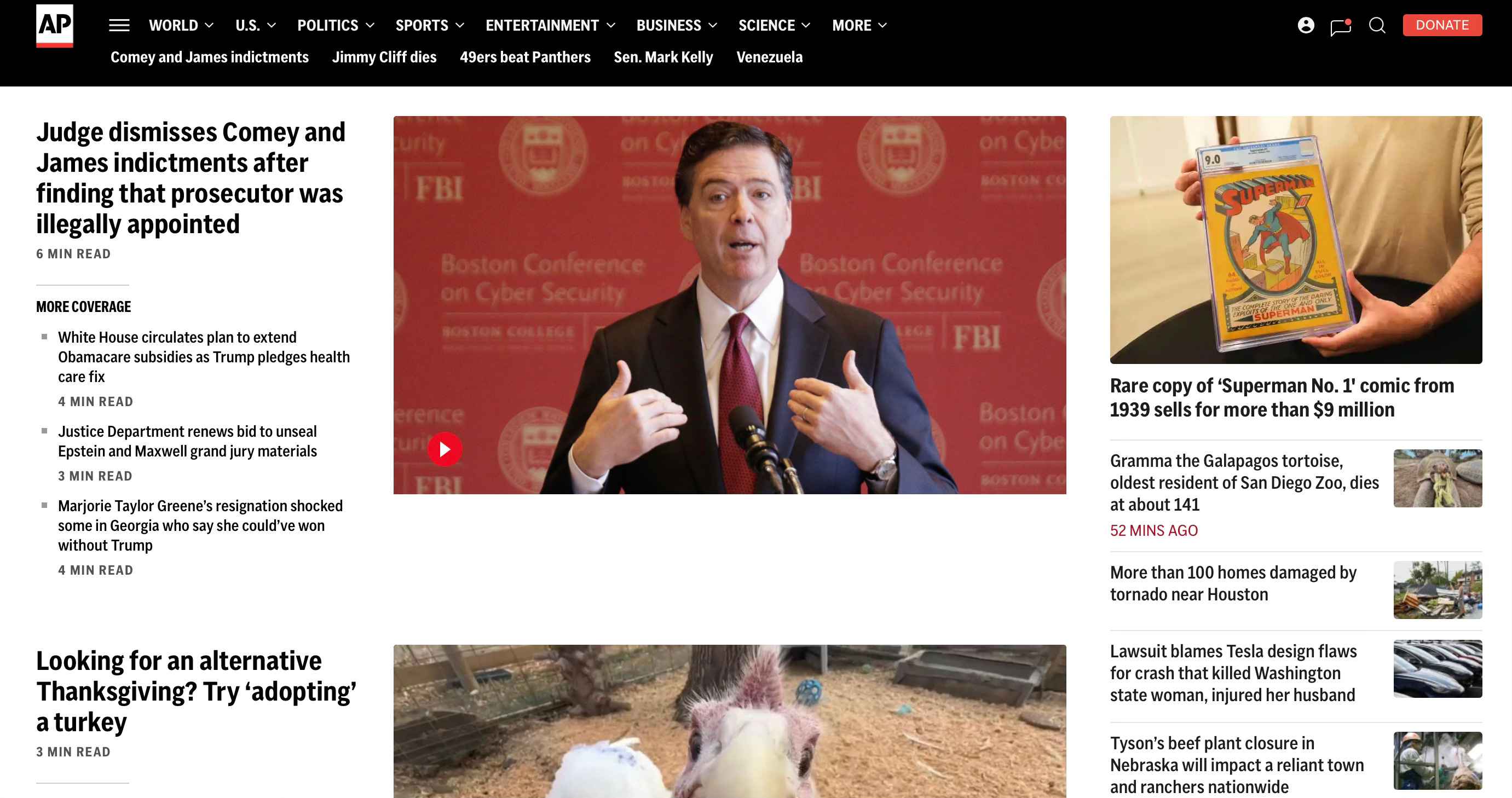
Shortly after returning home, I bookmarked the Associated Press website. It now opens as a browser tab when I launch Safari, along with Facebook, Instagram, and the brain games I play every morning. I considered subscribing to one of the major online newspapers, but I had good reasons for dropping those subscriptions, and those reasons haven’t changed. I want factual and non-biased news. I don’t care about opinions or advice, fashion or lifestyle. The AP is free, but accepts donations, and they’ll get one from me.
I’m pretty sure the founding fathers expected voters – which, 250 years ago, were landowning white men – to be informed. I’m pretty sure they were as passionate about building their young democracy as South Africans are about theirs.
And I’m pretty sure, as I watch democratic institutions, principles, and ethics crumble here in the U.S., that I should at least stop getting my news from Facebook.
I’m not happy with American politics. I think we’ve lost the ability to have reasonable conversations with those who have differing opinions, as if one opinion is more credible and important than another’s.
One opinion is more credible and important if one has the facts and resources to inform that opinion. All the memes and gifs and reels in the world aren’t worth the bandwidth they take up if they’re not true. And many of them aren’t.
So I’ve left my little head-in-the-sand bubble and moved into one in which I have to think. I have to be discerning. I have to weigh and balance what I read. Sometimes I have to dig deeper, reading judges’ opinions or historical documents for further context. It’s not easy, at 74, to wrap my head around a lot of it. Especially history – I would much rather have been in the art room than the classroom when it came to history, math, and science.
But here we are.
I’ve worked for enough political candidates and causes to know that a major reason many people choose not to vote is that they think their one vote won’t make a difference. I’m here to say, today, that it does. And it has. And it will.
It really doesn’t take a lot of time to be an informed voter. And it really does make a difference.
I had a similar experience when returning from studying in Germany in the 1980s. People there were very engaged in discussing politics and current events. Here, not as much.
Some other news sources I check frequently are BBC and DW (Deutsche Welle from Germany). Also if you don’t already follow her on Substack, the historian Heather Cox Richardson writes daily letters about current events and relates them to historical context.
I’m glad you had the opportunity for your recent travels abroad. Welcome home!